Every square foot matters in a small home, but that doesn't mean your space needs to feel like a concession. Thoughtful indoor enhancement is less about reducing your way of life and even more about sharpening it. I've collaborated with house owners varying from permanent van residents to households in sub-500-square-foot homes, and the same concepts hold. When you straighten format, storage space, light, and material options with how you actually live, tiny rooms acquire a calm, willful top quality. They work much better and look much better, typically with less stuff and more personality.
Start with just how you live, not exactly how you desire you lived
Before buying a single footrest with covert storage or setting up a loft space, analyze routines. Do you prepare nightly or reheat takeout? Do you host guests usually or rarely? Do you work from home full time, a day or 2 a week, or not whatsoever? The answers will certainly determine practically every indoor decision.
I as soon as dealt with a visuals designer living in a 380-square-foot workshop. She kept squeezing in more storage space for art products, yet her easel never saw daytime. We got rid of a cumbersome armoire, constructed a superficial wall shelf for canvases, and placed a fold-down worktable under a north-facing home window. The outcome provided her more "making space," not a lot more storage space, which for her was truth indoor improvement. Style adhered to naturally as soon as operate aligned with everyday behavior.
If you seldom host, avoid the extendable table and highlight a solid single-seat lounge coupled with a slim bistro surface area. If you love cooking, safeguard counter area like a hawk and let seating flex around it. Tiny homes compensate callous prioritization.
Plan circulation like a boat, not a house
In portable areas, motion lines are every little thing. Look for traffic jams and "dead corners" that include square video however not usefulness. The objective is to keep circulation tight and continual, without forcing awkward side steps or overreaching. When I say plan like a boat, I'm obtaining from marine design: fully has a job, and paths are compact yet uninterrupted.
Micro-adjustments accumulate. A 24-inch-deep counter might feel generous, yet going down to 22 inches can open up a narrow sidewalk simply sufficient to prevent hip-checking a cupboard. Draw a couch forward by 2 inches and you could release a door swing. Replace a swinging door with a pocket door and a small washroom unexpectedly breathes. Theoretically, the gains seem minor; in every day life, they are the distinction in between confined and composed.
Right-size furniture, then double its duty
Oversized furnishings is the fastest means to make a little home feel smaller sized. Criterion couches run around 84 inches wide with 38 to 40 inches of depth, which bewilders most tiny rooms. Search for small shapes around 72 inches large and 32 to 34 inches deep, with legs that lift the form off the flooring. The light space under methods the eye and lets light slide with, providing the area a sense of air.
Dual-purpose items gain their impact. A storage space bench that seats two at the table, hides coverings, and slides under a window produces three success in one move. Nesting tables can stretch for guests and tuck tight afterward. If you work from home, a secretary desk or fold-down wall desk keeps the area adaptable, without the durability of a bulky work space. Murphy beds have actually matured as well: versions now counterbalance efficiently and can include superficial shelving. I've seen a 60-inch-wide system change a workshop, with daytime floor room used for yoga and nights repaid to sleep.
Keep the lure to stack attributes in check. A table that comes to be a bed then folds up right into a ladder is a party trick, not a daily solution. You desire reliable multi-purpose, not acrobatics.
Storage that goes away until you need it
The finest storage in a tiny home really feels undetectable. Deep storage heaps end up being great voids, so aim for shallow areas that present materials at a look. Shelf depths between 10 and 12 inches maintain stacks manageable. In cooking areas, utilize cabinets for pots and pantry items rather than bottom cabinets. Full-extension slides disclose whatever, decreasing the lost-jar problem that torments deep shelves.
Look for slim possibilities. Toe-kick cabinets in kitchens and bath vanities recapture 3 to 4 inches of height throughout several feet of cabinetry. A home owner in a 240-square-foot casita got virtually 7 cubic feet of storage throughout her kitchen area base cabinets by converting every toe kick. That space currently holds cutting boards, baking sheets, and placemats that made use of to mess the counter.
Vertical space matters, but it's not accredit to house painters chicago line every wall with tall closets. If you do, the area will certainly feel like a storage device. Pick one wall surface to bring the upright tons, then keep the opposite sides lighter. Above eye level, open shelving jobs better than shut cupboards in living areas since your eye relocates with instead of quiting at the door airplane. Reserve shut storage for the kitchen area or entrances, where visual order is tougher to maintain.
Light as a building material
Light does greater than allow you see; it establishes the space's mental volume. In little rooms, deal with light like timber or plaster, something you form and place. Begin with daylight. Avoid hefty drapes unless you need blackout problems. Use roller tones in the window structure, mounted as high as feasible to clear the glass and make the most of noticeable elevation. If personal privacy is a concern, mount a sheer over the frame and pair it with a lined shade or a 2nd rod for nighttime.
Reflective surfaces have limits. Glossy white walls bounce light, but way too much luster reads professional and shows every scuff. A washable matte or eggshell coating offers a soft radiance without glow. Mirrored panels can increase a room visually when positioned attentively, ideally opposite a window to increase the feeling of deepness. Place them where they will not blast you with a reflection of the kitchen space or an unpleasant shelf.
Layered synthetic light prevents the "above cavern" feeling. Usage three types: ambient (ceiling or wall surface), task (desk, counter, reading), and accent (art, plant up-lights, toe-kick LEDs). In a 300-square-foot room, you might set up a semi-flush expenses component on a dimmer, a plug-in swing-arm sconce near the sofa, and a slim LED strip under a floating shelf. When wired, an area gains unexpected versatility simply by pushing dimmers instead of dragging furniture.
Color and material scale
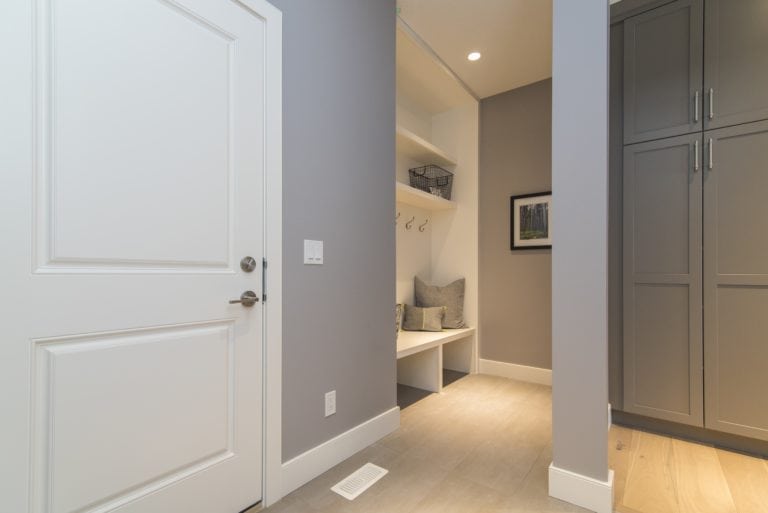
Color is less about fads and even more concerning sightlines. In small spaces, color modifications imitate spelling. Way too many and the sentence reviews rough. Attempt maintaining the envelope coherent: one wall shade throughout multiple areas, plus a second shade on millwork or a solitary accent panel. With lighter wall surfaces, bring warmth through texture: linen drapes, a jute or woollen carpet, developed stone, matte ceramic. Roughness assists a little space really feel based, not sterile.
Material thickness matters. Bulky accounts consume visual area. Replace thick kitchen counters with a 1.2-inch account and even a 0.75-inch portable laminate if sturdiness is a problem. Choose table tops with chamfered sides that appear thinner from the side. For shelving, a durable 0.75-inch plywood with a leading edge veneer looks crisp. Book thick pieces for little accents where mass includes intentionality, like a small feces or a reducing board that endures on the counter.
A note on dark colors: they can work beautifully, even in tiny homes, if lights is strong and surface areas stay simple. A deep blue or charcoal on cabinets paired with warm timber and high-CRI lighting develops a comfortable support that makes nearby areas really feel brighter by contrast.
The cooking area: where inches determine everything
Kitchens in little homes are successful or fail on counter depth, landing areas, and work triangles. You may not have room for the classic triangular, however you can still preserve logical flow: refrigerator to sink to prep to prepare. If your fridge rests across the room from your sink, add a slim landing shelf nearby to set down groceries and a cutting board. A 10-inch-deep rack can be enough, and it maintains fruits and tools off your primary prep area.
Undermount sinks save counter cleaning time, and a single-bowl sink around 22 to 24 inches wide is usually enough. Add a roll-up drying out rack that extends the container and works as extra prep room. Induction cooktops are safer in small interiors and as efficient as they are small. A two-burner model paired with a mobile single-burner saved in a drawer deals with most cooking, yet releases counter room daily.
Ventilation is often neglected in little homes however crucial. Recirculating hoods with excellent charcoal filters aid with smell control, but if the choice for ducted air flow exists, take it. It keeps surface areas cleaner and echoes the low-maintenance principles you need when every surface is within reach.
Bathrooms that really feel bigger than they are
When you can touch both walls, details matter. Usage large-format tile set up with very little grout lines to lower visual mess. Curbless showers with straight drains pipes extend the flooring uninterrupted, developing a sense of one increased aircraft. If you require a shower drape, run a ceiling-mounted track past the real shower footprint, enabling more elbow room without transforming plumbing.
Mirrors, not medication cabinets, commonly win in little bathrooms. A large mirror above a slim vanity increases the aesthetic width. Store daily products in a slim vertical cabinet recessed right into the wall surface in between studs if possible. If you must have a medication closet, choose a design with a superficial profile and incorporated lights that tosses light past your face, not simply downward.
Toilets can be small too. Models with a 25-inch estimate, rather than the common 28 to 30 inches, complimentary priceless inches in the pathway. If you're off-grid, composting commodes have boosted, yet think about ventilation attachments to take care of smell. Space-efficient towel warmers can double as drying out shelfs, a peaceful high-end in wet climates.
The adaptable room: living, functioning, hosting
Flex rooms fall apart when each task demands a set zone. Much better to think in modes. In day mode, the couch and coffee table form the heart. In the evening, press the table under the window, unravel a wall bed, lower the lights. On work-from-home days, an armchair revolves to deal with a fold-down desk, and a floor lamp changes to job mode. Casters and glides are your good friends. A three-by-five-foot rug positioned under the coffee table can anchor "living" without locking you into one layout.
Sound and aesthetic limits additionally assist switch over settings. A light-weight curtain on a ceiling track can screen a bed in seconds, securing it from view during the day or throughout video phone calls. If you function largely at a display, a laptop computer stand and a clamp-on display arm convert a superficial shelf right into a major workstation. They keep flat, yet support ergonomic stance when deployed.
Storage policies worth keeping
Here is a short checklist I lean on with clients that desire practical interior enhancement without a full remodel:
- Store the daily, display the beloved, conceal the seldom-used. If it doesn't fit those groups, contribute it. Set maximums per group: two sets of sheets, four bath towels, eight plates if you host, fewer if you don't. Keep storage superficial and particular. The even more common the container, the much more it comes to be a scrap drawer. Add a "touchdown strip" near the entrance: hooks, a tray, and a mail slot. Control the clutter where it starts. Quarterly reset: vacant one cabinet each time, tidy, and returned just what you used in the last season.
These small rituals keep a tiny home from creeping toward chaos.
Windows, views, and the illusion of depth
When outside views are limited, produce interior vistas. Line up sightlines so your eye takes a trip to the lengthiest measurement. Also an obtained view with a doorway assists. In one 420-square-foot home, we got rid of a slim cupboard that obstructed a glimpse of the garden from the sofa. Absolutely nothing else transformed. The room felt bigger because the eye discovered a destination.
If privacy allows, install mirrors vertical to windows, not straight contrary, to capture raking light without mirroring the glass itself. Use plants carefully. One large plant checks out calmer than six tiny ones spread around. Place it where it can be seen from several areas, preferably near a light to build an anchoring vignette.
The palette of possessions
In little spaces, things do more job visually. A ceramic dish in a saturated color, a single mounted print with charitable matting, a handcrafted feces with fascinating joinery, these pieces can specify design more effectively than a lots devices. Edit ruthlessly. If a product does not supply daily effectiveness or clear charm, it takes on the things that do.
Textiles soften acoustics and assist with convenience. Layer a slim flatweave rug over a dense rug pad to keep account reduced while adding padding. Select covers that clean quickly. Slipcovers for the couch or chair expand the life of upholstery and let you change seasons with very little upheaval.
Durable details that save money and frustration
Maintenance is the unglamorous foundation of interior enhancement. In a tiny home, a sticky drawer slide or a cupboard door that won't shut straight feels bigger than it is, since you communicate with it frequently. Invest the extra money on equipment. Full-extension, soft-close slides and solid hinges are a life time choice. The rate distinction between budget plan and top quality equipment on a tiny cooking area may be a couple of hundred dollars, a fraction of the overall price, yet it determines everyday satisfaction.
Choose surfaces you can clean without specialized items. High-traffic paint in a matte luster cleans up better than standard matte, without the plastic look of satin. For kitchen counters, quartz and portable laminate offer more stain resistance than marble or butcher block. If you enjoy timber tops, approve the aging. Oil them quarterly and accept the lived-in surface area; nothing looks even worse than a wood counter dealt with like a delicate museum item in a home that needs to work hard.
Flooring ought to be quiet and resilient. Cork and engineered wood with a matte finish hide scuffs and really feel cozy underfoot. If you expect heavy wear, high-end plastic slab has actually come far in look and is forgiving with family pets and damp boots. Watch shifts between spaces: constant flooring knits small areas with each other and makes them really feel larger.
Managing mess without consistent policing
Tiny homes require self-control, yet living should still feel simple. I have actually seen clients wear out on stiff systems that fight natural behaviors. Build storage space where habits already occur. If shoes accumulate near the sofa, include a low cubby under the coffee table rather than talking yourself to lug them across the area each time. If mail accumulate on the cooking area counter, install a wall-mounted data pocket beside the fridge, and kind weekly. Systems lined up with routines last longer than radical ones.
Create a concealed mess area. A single deep drawer or a covered basket where miscellaneous products can land buys time in between full cleanings. The trick is to empty it on a schedule. Ten mins on Sunday maintains the whole week lighter.
Smart technology, scaled appropriately
Tech can sustain small-space living if it's peaceful and reliable. Smart connects on lights allow you control light scenes without switches littering the walls. A portable, peaceful air cleanser and a low-profile ceiling follower can enhance air high quality and convenience more than a cumbersome AC unit running continuously. If you rely upon a projector as opposed to a TV, install a retractable screen near the ceiling and pick a short-throw projector that stows in a drawer. Cables are the adversary of visual calmness. Usage cord networks, textile sleeves, and adhesive clips to maintain the pastas invisible.
Bringing personality without crowding
Style thrives on uniqueness. If you love midcentury lines, select 1 or 2 genuine pieces rather than a complete collection of reproductions. If you lean rustic, a solitary recovered light beam as a shelf or a classic wool blanket on the bed brings soul without overwhelming the area. Handcrafted items, even small ones, beat generic decoration at forecasting heat. A hand-thrown mug on a basic shelf does greater than a rack crammed with similar trinkets.
Books can reside in a tiny home, yet curate. Keep what you go over or referral. Favor upright stacks in superficial niches instead of deep racks that encourage clutter. Rotate screens seasonally. The act of exchanging a couple of things re-engages you with the space.
Budget approaches that operate in limited quarters
There's a misconception that tiny equates to cheap. Good little is precise, and accuracy takes thought. Invest where your hands and eyes remain: faucets, hardware, lights, a terrific chair. Save where scale covers wrongs. Off-the-shelf cabinets coupled with updated pulls and a custom toe-kick can look tailored. A small piece backsplash, state 12 inches high in a sturdy stone-look porcelain, gives a custom feel without the price of full-height slab.
Secondhand furnishings commonly fits small homes much better than new items, due to the fact that older items often tend to be slimmer. Step everything, twice. Pay attention to leg splay and door swings. A table that fits by measurements can still bump wall surfaces if legs flare. On distribution day, have really felt pads, glides, and a screwdriver ready. Micro-adjustments to positioning commonly separate "virtually works" from "fits flawlessly."
When to construct in, and when to keep it loose
Built-ins make the most of fully however secure you right into a layout. In services or developing houses, loose furniture success. In a lasting little home, choose built-ins where security repays: cooking area, access, bed platform. In one 280-square-foot job, a raised bed platform added 50 cubic feet of drawer storage space and created a feeling of separation from the living location. The rest of the space remained adaptable, with a freestanding table on casters and a light sofa.
Think concerning future-proofing. If a baby, a family pet, or aging in position could be component of the tale, keep paths clear and concentrate on bar manages, larger clearances where possible, and lights that can lighten up significantly without glare.
A simple staging circulation for layout decisions
If you're revamping a little home, this fast procedure assists keep choices based and stops costly blunders:
- Tape the impact. Usage painter's tape to mark furnishings details on the flooring. Cope with it for a day. Readjust till movement lines really feel natural. Mock height. Stack boxes to examine counter, table, and rack heights. Your body will certainly inform you what jobs much faster than a spec sheet. Test light at night. Area temporary lamps where you think you desire them. See if tasks check out comfortably and if corners feel balanced. Measure the tight spots. Doorways, elevator, stairway turns. A perfect couch that can not get in the door is a pricey lesson. Commit gradually. Acquire anchor pieces initially, then layer. Maintains design coherent and budget in check.
Small spaces compensate persistence. When you tune each decision to life, the home begins to help you live the way you desire, not the other method around.
Style as the by-product of great choices
Interior renovation in a little home is truly a series of small wagers: a half-inch right here, a softer light there, a smarter rack in an ignored corner. The space doesn't reveal itself all at once. Someday you recognize you quit bumping the coffee table, the closet doors close with a peaceful click, morning light arrive at the chair where you read, and the space feels bigger than its dimensions since absolutely nothing fights you.
You do not need more areas to live well. You need the best ones, arranged for just how you move, remainder, cook, work, and host. When you get that component right, style emerges without yelling. The outcome is a home that's little theoretically yet generous in experience, a location where every inch has an objective and every selection has a reason. That's the distinction in between a tiny home that looks cute in photos and one that sustains a life you're glad to live.
OnDemand Painters 2333 N Southport Ave Apartment 1, Chicago, IL 60614 +13126380560 http://www.ondemandpainters.com/